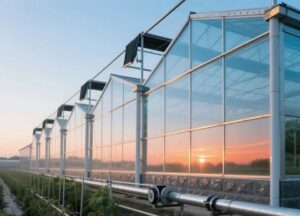



Imagine a bustling cityscape, all towering skyscrapers and concrete avenues, where green spaces are a rarity, and the air is filled with the hum of urban life. Now envision this same space transformed into a tapestry of vibrant greens, reds, and yellows—an oasis where nature and architecture intertwine seamlessly. This vision is not one of distant dreams but an emerging reality thanks to the innovative practice of container agriculture. In cities where land is at a premium and ecological footprints need shrinking, this approach is spearheading a green revolution that reimagines how we produce food.
Container agriculture is more than just a trend; it’s a practical solution to some of our most pressing urban challenges. By utilizing underused spaces like rooftops, balconies, and even vertical walls, cities around the world are finding new ways to bring farming into the heart of urban living. With its ability to enhance food security, reduce greenhouse gas emissions, and improve air quality, container agriculture offers a sustainable model for turning gray skylines into lush, productive environments. Join us as we dive into this transformative movement, exploring how it not only reshapes cityscapes but also revitalizes communities and ecosystems alike.

Benefits of Container Agriculture in Urban Spaces
Container agriculture transforms neglected urban nooks—rooftops, courtyards, and balconies—into thriving microfarms that produce fresh, nutritious food year-round. By bringing cultivation directly into densely populated areas, cities can drastically shorten supply chains, slashing transport costs and carbon emissions associated with long-distance shipping. Residents gain access to produce at its peak ripeness, boosting food quality and nutrition. Moreover, urban growers can adjust planting schedules and crop varieties to meet community preferences, fostering a resilient local food system that weathers market fluctuations and supply disruptions.
From an environmental standpoint, container agriculture excels in resource efficiency. Innovative systems like hydroponics and aeroponics recycle water and nutrients, reducing consumption by up to 90 percent compared to traditional soil-based farming. This conservation of water resources is vital in regions facing drought and water scarcity. Additionally, controlled environments minimize pesticide use, lowering chemical runoff into local waterways. Urban greenery created by container farms also contributes to improved air quality, capturing particulate matter and synthesizing oxygen, which collectively mitigate the urban heat island effect and create healthier city living conditions.
Beyond tangible environmental and nutritional advantages, container agriculture nurtures social cohesion and economic opportunity. Community gardens and educational programs engage residents in hands-on learning about sustainable farming practices, fostering stewardship and environmental awareness. Entrepreneurs are leveraging compact agricultural modules to launch small businesses, generating jobs and stimulating local economies. In disaster-prone areas, rapidly deployable container farms provide emergency food supplies and fresh produce, reinforcing urban resilience. As cities grow denser, the multiple benefits of container agriculture—ecological, social, and economic—will be indispensable in forging greener, more self-reliant metropolitan centers.
Types of Crops Suitable for Container Agriculture
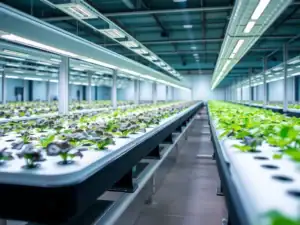
Leafy greens and herbs are among the easiest and most rewarding crops for container agriculture. Varieties such as lettuce, spinach, kale, basil, cilantro, and mint thrive in shallow trays or pots, reaching maturity within weeks. Their compact root systems demand minimal growing medium and benefit from hydroponic or soilless setups. Home growers and commercial micro-farmers alike capitalize on rapid turnover rates and high yields per square foot, continuously harvesting fresh leaves for salads, garnishes, and culinary use. The short growth cycle also allows for multiple crop rotations per year, maximizing productivity.
Fruiting plants such as tomatoes, peppers, and strawberries adapt well to larger containers or vertical tower systems. Determinate tomato cultivars and dwarf pepper varieties are ideal for confined spaces, producing robust harvests without sprawling into neighboring plots. Strawberries perform exceptionally in hanging baskets or layered planters, cascading fruit at eye level for easy picking. These fruiting species often require supplemental lighting and careful nutrient management to achieve optimal yields, but they reward growers with high-value produce and vibrant visual appeal in urban gardens and balconies.
Root vegetables and specialty crops add diversity to container agriculture portfolios. Compact carrots, radishes, and baby beets mature quickly in deep pots, while exotic edible flowers like nasturtiums and violas bring color and culinary flair to salads and desserts. Microgreens—tiny, nutrient-dense seedlings of vegetables and herbs—can be cultivated on shallow trays in just days, offering a premium product for local restaurants and farmers’ markets. The versatility of container agriculture accommodates nearly endless crop experimentation, empowering urban farmers to tailor plant selections to space constraints, climate conditions, and consumer demand.
Maximizing Limited Space with Vertical Farming
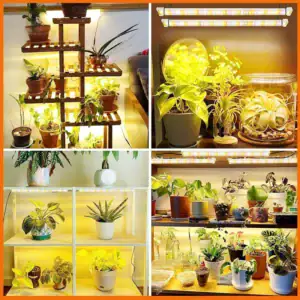
Vertical farming elevates container agriculture by stacking growing modules into multi-tiered systems that multiply production without expanding footprints. Shelving units with integrated LED lighting enable each layer to receive optimal light spectra for photosynthesis, decoupling plant growth from seasonal daylight fluctuations. This approach is especially valuable in high-density housing complexes, offices, and warehouses, where wall-mounted racks or moving trolleys can transform underutilized vertical surfaces into verdant, productive zones.
Hydroponic towers and aeroponic towers represent advanced vertical solutions, circulating nutrient-rich water or mist around plant roots suspended in foam or net pots. These closed-loop systems minimize water loss and deliver precise nutrient dosages, accelerating growth rates and boosting overall yields. Modular tower designs facilitate easy assembly and expansion, allowing urban farmers to start small and scale up as demand grows. Pairing vertical agriculture with smart sensors and automation enhances efficiency, enabling remote monitoring of pH, moisture levels, and light intensity to maintain peak growing conditions.
For DIY enthusiasts, vertical gardens can take the form of recycled materials—stacked pallets, PVC pipes, or repurposed gutters—lined and outfitted with drip irrigation. Such low-cost setups democratize container agriculture, making it accessible to schools, community centers, and grassroots initiatives. By thoughtfully combining space-saving structures, water-efficient techniques, and technology, urban growers unlock the full potential of vertical farming, turning even the smallest niches into green production powerhouses.
Case Studies: Successful Container Agriculture Projects
Gotham Greens, a pioneering urban agriculture company in New York City, operates rooftop container greenhouses across multiple boroughs. Each facility uses hydroponic systems to grow leafy greens, herbs, and tomatoes year-round, delivering produce directly to local retailers and restaurants. Their scalable container modules enable quick replication and customization for different rooftop sizes. By demonstrating that high-quality, locally grown food can flourish amid skyscrapers, Gotham Greens has inspired municipalities worldwide to embrace container agriculture and streamlined supply chains.
In Singapore, the “Skyfarm” initiative by Republic Polytechnic leverages container agriculture to produce fresh vegetables in a land-scarce city-state. Students and researchers cultivate leafy greens in stacked shipping containers retrofitted with LED lighting and climate control. This closed-environment setup conserves water and eliminates pesticide use, aligning with the nation’s vision for self-sufficiency. The Skyfarm project not only supplies campus cafeterias with organic produce but also serves as a living lab for innovations in urban food production and agricultural robotics.
Across the Atlantic in Barcelona, the Huertas de Baix project revitalized abandoned plots by deploying mobile container units equipped for hydroponic cultivation. Community members participate in planting and harvesting, forging social bonds, and accessing affordable fresh produce. The modular containers can be relocated to different neighborhoods, addressing food deserts and empowering residents with agricultural skills. This grassroots model highlights container agriculture’s capacity to drive community development, environmental stewardship, and equitable food access in urban landscapes.
Conclusion: The Future of Container Agriculture in Urban Landscapes
Container agriculture is redefining the way cities grow and consume food, offering solutions to land scarcity, climate challenges, and food insecurity. With its efficient use of space, water, and resources, this model paves the way for resilient, localized food systems that benefit both people and the planet.
As technology advances and urban populations expand, the green revolution sparked by container agriculture will only accelerate. By integrating vertical farming, smart controls, and community engagement, cities can transform gray skylines into thriving oases, ensuring a sustainable and nourishing future for generations to come.