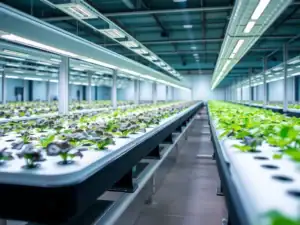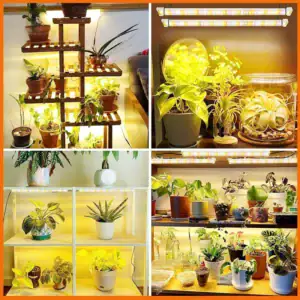



Imagine stepping into your kitchen and picking fresh basil right off the wall or plucking ripe tomatoes from a living tapestry of greenery that stretches upward. This isn’t a futuristic fantasy; it’s the groundbreaking reality of vertical farming at home. As urban spaces become increasingly congested and traditional gardening areas shrink, the garden of the future isn’t sprawling outwards—it’s shooting upwards. Vertical farming is not just a trend; it’s a revolutionary approach to greening our urban lives, bringing nature back into our homes in the most innovative ways.
In this blog post, we’ll peel back the layers of this innovative method, showing how you can transform your living space into a verdant oasis. Whether you’re a seasoned gardener with a knack for nurturing plants or a curious newcomer wanting to dip your toes into the world of sustainable agriculture, vertical farming at home offers something exciting for everyone. Discover the benefits of growing your own food in a compact space, explore cutting-edge techniques, and learn how you too can contribute to a greener planet, starting right from your living room.

Benefits of Vertical Farming at Home
One of the biggest advantages of vertical farming at home is the efficient use of space. Traditional gardens require large plots of land, which can be scarce or nonexistent in densely populated urban areas. By stacking plant beds or using wall-mounted planters, you can grow dozens of herbs, vegetables, and ornamental plants in the footprint of a small table. This vertical orientation not only maximizes yield per square foot but also brings greenery directly into your living areas, improving air quality and boosting your mood through exposure to lush foliage.
Another key benefit is year-round cultivation regardless of external weather conditions. Many vertical farming systems incorporate controlled-environment agriculture methods—such as hydroponics or aeroponics—paired with LED grow lights. These systems maintain optimal temperature, humidity, and nutrient levels, ensuring consistent growth cycles and faster harvest times compared to soil-based outdoor gardens. Beyond personal enjoyment and aesthetics, growing your own produce cuts down on grocery bills, reduces carbon emissions associated with food transport, and ensures the freshest, pesticide-free ingredients for your kitchen.
Setting Up Your Vertical Farming System
Embarking on vertical farming at home begins with choosing the right structure and medium. Common setups include DIY repurposed pallets, modular tower gardens, or prefabricated vertical planters. Consider your available wall or floor space, the weight capacity of your fixtures, and ease of access for planting and harvesting. Hydroponic and aeroponic systems are popular choices because they eliminate soil, reducing mess and pest issues, while providing precise control over nutrient delivery to plant roots.
Next, select suitable plant varieties. Leafy greens such as lettuce, spinach, and arugula thrive in vertical systems, as do herbs like basil, mint, and cilantro. Compact fruiting plants, including cherry tomatoes and strawberries, also perform well when given adequate support. Assemble your system by installing frames or shelves, placing containers or pipes, and ensuring proper drainage. Finally, set up your water reservoir and nutrient delivery mechanism. With careful planning and initial investment in equipment, you’ll create a resilient, low-maintenance farm right inside your home.
Understanding Light Requirements for Vertical Farming
Lighting is the engine that drives photosynthesis, so getting it right is crucial for vertical farming at home success. Natural sunlight may be limited in many urban dwellings, especially on interior walls or basements. That’s where LED grow lights come into play. These specialized fixtures emit targeted light spectrums—primarily blue and red wavelengths—to promote vegetative growth and flowering. Adjustable light bars or panel setups allow you to tailor intensity and duration based on plant species and growth stage.
Position lights 6–12 inches above the top leaves, adjusting height as plants grow to maintain consistent light exposure. Most veggies and herbs require 12–16 hours of light per day, followed by 8–12 hours of darkness to mimic natural cycles. Incorporating timers automates schedules, prevents human error, and ensures uniform development across the vertical tower. Proper light management not only accelerates growth but also prevents stretchiness and leggy stems, yielding bushier, healthier plants that maximize your vertical real estate.
Maintaining Your Vertical Garden: Pruning and Harvesting
Regular pruning is essential to keep your vertical farming at home system productive. By removing yellowing leaves, spent blooms, and overcrowded shoots, you improve air circulation and direct the plant’s energy into new, robust growth. Use sharp, clean scissors or pruning shears to make precise cuts just above a leaf node, encouraging side branching and fuller foliage. Performing quick inspections every week helps you catch early signs of pests or nutrient deficiencies, ensuring timely intervention.
Harvesting should be done in stages, picking mature leaves or fruits as they ripen rather than stripping the entire plant at once. This approach extends the productive lifespan of each specimen, giving you a continuous supply of fresh produce. Cut only what you need, preserving the main stem and root structure. For salad greens, snip outer leaves, allowing inner growth to flourish. For herbs, harvest one-third of the plant at a time. With consistent care and thoughtful harvesting, your vertical garden will remain a vibrant, renewable source of nourishment and beauty in your home.
Conclusion: Growing Greener, One Plant at a Time
Vertical farming at home is more than a space-saving gardening hack—it’s a transformative lifestyle choice that brings freshness, sustainability, and joy to urban living. By leveraging vertical space, smart lighting, and precise maintenance techniques, you can cultivate an abundant, year-round garden right where you live.
As you embark on this upward-growing adventure, remember that every leaf you nurture contributes to a greener future. With each harvest, you’re not only feeding yourself but also championing eco-friendly practices and inspiring others to rethink how we grow our food. Start small, stay curious, and watch your home flourish into a living, breathing testament to innovation and sustainability.