






In today’s fast-paced world, finding the space and time to grow your own food can be challenging. Urbanization has led to smaller living spaces and fewer traditional gardening opportunities, making it difficult for many to enjoy the benefits of homegrown produce. However, with the rise of vertical hydroponics gardens, it’s becoming increasingly possible to cultivate fresh produce even in the smallest of spaces. This innovative approach to gardening allows you to maximize vertical space, making it ideal for urban dwellers or anyone looking to optimize their growing area. By utilizing vertical space effectively, individuals can transform balconies, rooftops, and even indoor spaces into thriving gardens.
 A vertical hydroponics garden is a type of hydroponic system that arranges plants in vertical layers. This configuration maximizes the use of available space, allowing more plants to grow in a smaller footprint. Unlike traditional gardening, this method doesn’t require soil. Instead, plants grow in a nutrient-rich water solution, which provides them with all the essentials they need to thrive. The absence of soil not only reduces the weight of the system but also minimizes the risk of soil-borne diseases, leading to healthier plants and reducing the need for chemical interventions. This soilless cultivation method is not only space-efficient but also allows for greater control over growing conditions, enabling gardeners to fine-tune the environment for optimal plant health and productivity.
The Basics of Hydroponic Systems
Hydroponic systems support plant growth without soil, using various mediums such as coconut coir, clay pellets, or perlite. These mediums provide support and anchorage for the plants’ roots while ensuring adequate aeration. Nutrients are delivered directly to the plant roots through a water-based solution, facilitating faster growth and higher yields compared to traditional soil-based gardening. The absence of soil means that nutrients are more readily available to the plants, leading to quicker absorption and less competition between plants. Moreover, the controlled environment of a hydroponic system allows for precise adjustments of pH and nutrient levels, which can significantly enhance plant growth and productivity.
Why Choose Vertical Soilless Cultivation?
Vertical soilless cultivation is perfect for those with limited space or who want to maximize their growing potential. By stacking plants vertically, you can grow more in less space, making it a practical solution for urban environments where horizontal space is limited. This method is also highly efficient, as it uses less water and fewer nutrients than traditional gardening. The water efficiency of hydroponic systems makes them particularly appealing in regions where water conservation is a priority. Additionally, vertical hydroponics systems often have automated watering and feeding schedules, reducing the labor involved in maintaining a traditional garden and allowing for consistent plant care.
Benefits of a Vertical Hydroponic System
 Vertical hydroponic systems offer a multitude of benefits, making them a popular choice for home gardeners and commercial growers alike. These systems are revolutionizing urban agriculture by providing a sustainable and efficient way to grow food in non-traditional spaces.
Space Efficiency
One of the most significant advantages of vertical hydroponic gardens is their ability to save space. Whether you’re working with a small balcony, a rooftop, or even an indoor area, vertical farming enables you to grow a wide variety of plants in a compact footprint. This makes it possible to cultivate a garden in places where traditional gardening isn’t feasible. Vertical systems can be customized to fit any space, from narrow corners to expansive walls, allowing for a versatile gardening solution that adapts to your environment.
Improved Yields and Faster Growth
Plants grown in hydroponic systems often grow faster and produce higher yields than those grown in soil. This is because the nutrient solution is more readily available to the plants, allowing them to absorb what they need without competition from weeds or other plants. The constant supply of nutrients and water ensures that plants do not experience stress from drought or nutrient deficiency, leading to robust growth. Additionally, the controlled environment of hydroponic systems reduces the variability that can negatively impact plant growth, ensuring consistent and reliable yields.
Reduced Water Usage
Hydroponic systems are designed to recycle water, which significantly reduces the amount needed for plant growth. This makes vertical hydroponic gardens an environmentally friendly option, especially in areas prone to drought. The closed-loop system ensures that water is reused multiple times, minimizing waste and conserving this precious resource. By using up to 90% less water than traditional soil gardening, hydroponics presents a sustainable alternative that aligns with global efforts to conserve water and reduce environmental impact.
Fewer Pests and Diseases
Without soil, many common pests and soil-borne diseases are less likely to affect your plants. This reduces the need for pesticides, making your garden more sustainable and healthier. The absence of soil eliminates many habitats for pests, reducing infestations. Furthermore, the controlled environment of hydroponics allows for easier monitoring and management of pest populations, often making it possible to employ non-chemical interventions. This not only promotes a healthier garden ecosystem but also results in cleaner produce free from pesticide residues.
Setting Up Your Vertical Hydroponics Garden
Getting started with a vertical hydroponic system might seem daunting, but with the right guidance, it can be a rewarding endeavor. The initial setup requires careful planning and consideration, but the benefits of a thriving, space-efficient garden are well worth the effort.
Choosing the Right System
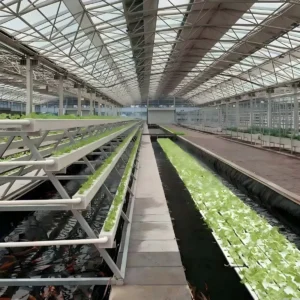
There are various types of vertical hydroponic systems available, from simple DIY setups to advanced commercial-grade systems. Consider your space, budget, and the types of plants you wish to grow when selecting a system. DIY systems are a cost-effective option for those willing to invest time in assembling and maintaining their garden. In contrast, commercial systems often come with advanced features such as automated nutrient delivery and monitoring, making them suitable for those seeking convenience and high productivity.
Selecting Plants for Your Tower Hydroponic Garden
 by Gaining
Most vegetables, herbs, and even some fruits can be grown in a vertical hydroponics garden. Leafy greens like lettuce, spinach, and kale are particularly well-suited to this system, as are herbs like basil and mint. These plants thrive in the consistent environment provided by hydroponics and benefit from the nutrient-rich water. Some compact fruiting plants, such as strawberries and cherry tomatoes, can also thrive in vertical setups, providing a diverse selection of produce. When selecting plants, consider their growth habits and space requirements to ensure optimal use of your vertical garden.
Providing Adequate Light
Light is a critical component of successful hydroponic gardening. If you’re setting up an indoor vertical hydroponics system, you’ll need to supplement natural light with grow lights. LED grow lights are energy-efficient and provide the full spectrum of light that plants need to grow. Proper lighting ensures that plants receive enough energy for photosynthesis, promoting healthy growth and development. Position your grow lights to cover all layers of your vertical system, ensuring even light distribution and preventing shadows that can inhibit plant growth.
Maintaining Your System
Regular maintenance is key to the success of your vertical hydroponic growing system. This includes monitoring nutrient levels, checking the pH of the water, and ensuring that the system is clean and free from clogs. A well-maintained system promotes healthy plant growth and prevents issues such as nutrient deficiencies or imbalances. With proper care, your vertical hydroponics garden will thrive, providing you with fresh produce year-round. Regularly inspect your system for signs of wear or malfunction and address any issues promptly to maintain optimal performance.
Indoor Vertical Hydroponics: Bringing the Garden Inside
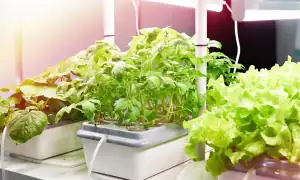
For those without outdoor space, indoor vertical hydroponics offers a fantastic alternative. By bringing the garden indoors, you can enjoy fresh produce no matter the weather conditions outside. Indoor systems also allow for more precise control over environmental factors, resulting in healthier plants. The indoor environment can be tailored to the specific needs of your plants, ensuring they receive the right amount of light, humidity, and temperature for optimal growth.
Benefits of Home Vertical Hydroponics
Indoor vertical hydroponics gardens are ideal for apartment dwellers or those living in urban environments. They provide a way to grow food in spaces where traditional gardens would be impossible. Additionally, having a home vertical hydroponics system can enhance your living space, adding a touch of greenery and life to your home. The presence of plants can improve indoor air quality and contribute to a sense of well-being, creating a more pleasant living environment. Moreover, the ability to cultivate your own food indoors promotes self-sufficiency and can reduce reliance on store-bought produce.
Conclusion: A Space-Saving Hydroponic Garden for Every Home
Vertical hydroponics gardens are revolutionizing the way we think about gardening. By maximizing vertical space, these systems make it possible to grow a wide variety of plants in even the smallest of areas. Whether you’re a seasoned gardener or a beginner, a vertical hydroponics garden can provide you with fresh, homegrown produce year-round. The adaptability and efficiency of these systems make them suitable for any lifestyle or living situation. With the right setup and a little bit of care, you can enjoy the benefits of a space-saving hydroponic garden in your own home. Embracing this innovative approach to gardening can lead to healthier living, greater sustainability, and a deeper connection to the food you consume.
