





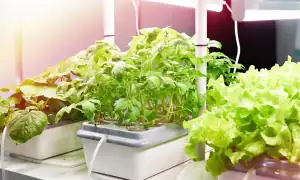

Growing herbs hydroponically is not only a modern gardening trend but also a highly efficient way to cultivate fresh herbs year-round. With the right hydroponic system, you can enhance growth, save space, and enjoy a continuous harvest right at home. In this guide, we will delve into the essentials of setting up a hydroponic herb garden and explore the best systems available for maximizing your herb yield.
 Hydroponics is the practice of growing plants without soil, using nutrient-rich water solutions. This method offers several advantages over traditional soil gardening, including faster growth rates, higher yields, and the ability to grow herbs indoors regardless of the season.
Benefits of Hydroponic Herb Gardening
- Space Efficiency: Hydroponic systems, especially vertical setups, allow you to grow more in less space. This is ideal for urban dwellers with limited gardening areas.
- Water Conservation: Hydroponics uses up to 90% less water than traditional soil gardening. The water is recirculated, which minimizes waste.
- Controlled Environment: You can control the nutrients, pH levels, and light exposure, optimizing conditions for herb growth and reducing pest issues.
- Year-Round Growth: With indoor hydroponic systems, you can enjoy fresh herbs throughout the year, regardless of outdoor weather conditions.
Choosing the Best Hydroponic System for Herbs
When selecting a hydroponic system for herbs, consider factors such as available space, budget, and the types of herbs you wish to grow.
Types of Hydroponic Systems
 Deep Water Culture (DWC): This is one of the simplest and most cost-effective methods, where plants’ roots are submerged in a nutrient-rich water solution. It’s great for beginners and works well for a variety of herbs.
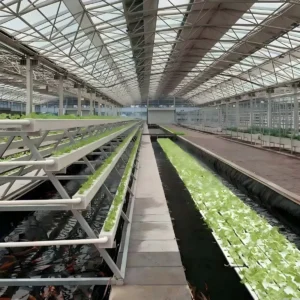
- Nutrient Film Technique (NFT): In NFT systems, a thin film of nutrient solution flows over the roots of the plants. This method is ideal for lighter herbs like basil and mint.
- Ebb and Flow (Flood and Drain): This system periodically floods the grow tray with nutrient solution and then drains it away. It’s versatile and supports a range of herbs and other plants.
- Aeroponics: In this high-tech system, roots are suspended in air and misted with nutrient solutions. Aeroponics can be more complex and costly but allows for maximum oxygen exposure and rapid growth.
- Vertical Hydroponic Systems: These systems are perfect for maximizing space. They can be a great choice for growing a variety of herbs in a compact area.
 Deep Water Culture (DWC): This is one of the simplest and most cost-effective methods, where plants’ roots are submerged in a nutrient-rich water solution. It’s great for beginners and works well for a variety of herbs.
Recommended Hydroponic Herb Garden Kits
- AeroGarden Harvest: This kit is user-friendly and perfect for beginners. It includes everything you need to start growing herbs hydroponically, including seed pods, nutrients, and a built-in grow light.
- Click and Grow Smart Garden: Ideal for those who prefer a low-maintenance approach, this system automates the watering and light schedule, making it easy to grow herbs without much effort.
- Tower Garden: This vertical aeroponic system is excellent for growing multiple herbs in a limited space. It’s more expensive but offers high yield potential.
Setting Up Your Hydroponic Herb Garden

Essential Components
- Grow Lights: Indoor hydroponic gardens require adequate lighting to mimic sunlight. LED grow lights are energy-efficient and provide the full spectrum of light necessary for healthy plant growth.
- Nutrient Solutions: Use a high-quality hydroponic nutrient mix specifically formulated for herbs. Follow the instructions to ensure your plants receive the right balance of nutrients.
- pH Control: Maintaining the correct pH level is crucial for nutrient absorption. Most herbs thrive at a pH of 5.5 to 6.5. Use a pH meter and adjust with pH up/down solutions as needed.
- Growing Medium: Although soil is not used, hydroponic systems often require a medium like rockwool, coco coir, or clay pellets to support the plants.
Steps to Start Growing Herbs Hydroponically
- Select Your Herbs: Choose herbs that are well-suited for hydroponic growth, such as basil, cilantro, parsley, mint, and oregano.
- Assemble Your System: Set up your chosen hydroponic system according to the manufacturer’s instructions. Ensure all components are securely in place.
- Prepare the Nutrient Solution: Mix your nutrient solution and fill the reservoir. Test and adjust the pH level as needed.
- Plant the Seeds or Seedlings: Place seeds or seedlings in the growing medium and position them in the system. Ensure they have access to adequate light and nutrients.
- Monitor and Maintain: Regularly check the water levels, nutrient concentration, and pH balance. Adjust lighting and nutrient solutions as your herbs grow.
Tips for Successful Hydroponic Herb Growing
- Regularly Prune: Pruning encourages bushier growth and prevents herbs from becoming too leggy.
- Monitor Humidity and Temperature: Keep your indoor garden at a consistent temperature and humidity level to prevent stress on the plants.
- Rotate Plants: If using a stationary light source, rotate plants periodically to ensure even light distribution.
Conclusion
Growing herbs hydroponically can be a rewarding and efficient way to enjoy fresh, flavorful herbs at home. By choosing the best hydroponic system for your needs and following proper setup and maintenance practices, you can maximize your herb growth and enjoy a bountiful harvest year-round.
Whether you’re a beginner or an experienced gardener, hydroponic herb gardening offers an innovative solution to traditional gardening challenges, allowing you to cultivate a diverse array of herbs with ease. Embrace this method to enhance your culinary creations and enjoy the benefits of fresh herbs anytime you need them.
