





In the quest for sustainable and efficient gardening solutions, hydroponic vertical vegetable gardens are gaining popularity. These innovative systems allow you to grow fresh produce in a compact space, making them perfect for urban dwellers and gardening enthusiasts alike. Let’s explore the numerous benefits of hydroponic vertical gardens and why you should consider adopting this method for your vegetable cultivation.
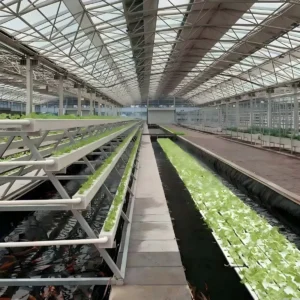
 Hydroponic vertical gardening involves growing plants in a stacked or vertical arrangement without soil. Instead, plants receive nutrients through a water-based solution. This system can be set up using various techniques, including the Nutrient Film Technique (NFT) and Vertical Towers. These methods maximize space utilization and ensure efficient nutrient delivery to the plants.
Tower Hydroponics for Vegetables
Tower hydroponics is a popular method that uses vertical towers to grow vegetables. These towers are designed to hold multiple plant sites, allowing for a high density of plants in a small footprint. The nutrient solution is pumped from a reservoir to the top of the tower and flows down, nourishing each plant along the way. This system is not only space-efficient but also water-efficient, as the solution is recirculated.
Advantages of Hydroponic Vertical Vegetable Gardens
Space Efficiency
One of the most significant benefits of hydroponic vertical gardens is their ability to maximize space. Traditional gardening requires a horizontal spread, but vertical systems stack plants upwards, making them ideal for small spaces like balconies, patios, or even indoor areas. This compact vertical hydroponic garden design means you can grow more plants in less space.
Water Conservation
Hydroponic systems are known for their water efficiency. In a traditional garden, a significant amount of water is lost through evaporation and runoff. However, in a hydroponic vertical system, water is recirculated, reducing waste significantly. This makes hydroponics an environmentally friendly option, especially in areas facing water scarcity.
Faster Growth and Higher Yields
Plants grown in hydroponic vertical gardens often experience faster growth rates compared to traditional soil-based gardens. This is because nutrients are delivered directly to the roots in a more controlled manner. As a result, plants can focus on growth rather than searching for nutrients. Additionally, vertical farming techniques often result in higher yields due to the optimized growing conditions.
 Pest and Disease Control
 Pest and Disease Control
Without soil, hydroponic gardens are less susceptible to soil-borne pests and diseases. This reduces the need for chemical pesticides, making your produce healthier and safer to consume. Moreover, the controlled environment of a hydroponic system allows for easier monitoring and management of plant health.
Year-Round Cultivation
Hydroponic vertical systems can be used indoors, allowing for year-round cultivation. With the right artificial lighting and climate control, you can grow vegetables regardless of the season. This ensures a constant supply of fresh produce for your kitchen, reducing your reliance on store-bought vegetables.
Versatility and Customization
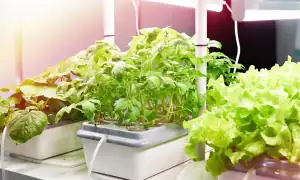
Hydroponic vertical gardens are incredibly versatile. Whether you prefer a vertical veggie grow wall or a stacked hydroponic vegetable garden, there are countless designs to suit your needs and preferences. These systems can be customized to grow a variety of vegetables, from leafy greens to herbs and even small fruiting plants.
Getting Started with Hydroponic Vertical Gardening
Choosing the Right System
When starting a hydroponic vertical garden, it’s essential to choose the right system for your space and needs. Consider factors like available space, the types of vegetables you want to grow, and your budget. Popular choices include vertical NFT vegetable systems and vertical vegetable towers.
Setting Up Your Garden
Setting up a hydroponic vertical garden involves assembling the structure, installing the nutrient delivery system, and preparing the nutrient solution. It’s crucial to ensure that the system is stable and that plants receive adequate light, either from natural sources or artificial grow lights.
Maintaining Your Hydroponic Garden
 Regular maintenance is key to a thriving hydroponic garden. This includes monitoring the pH and nutrient levels of the solution, checking for any signs of pests or disease, and pruning plants to promote healthy growth. Proper maintenance ensures that your plants remain healthy and productive.
Common Challenges and Solutions
While hydroponic vertical gardening offers numerous benefits, it’s not without its challenges. Here are some common issues and how to address them:
Nutrient Imbalances
Hydroponic systems require precise nutrient management. Imbalances can lead to nutrient deficiencies or toxicities in plants. Regularly test the nutrient solution and adjust as needed to maintain optimal levels.
System Failures
Pumps and other components can fail, disrupting nutrient delivery. Regularly inspect your system for any signs of wear or damage and have spare parts on hand to quickly address any issues.
Algae Growth
Algae can grow in nutrient-rich solutions exposed to light. To prevent this, ensure that reservoirs and other components are opaque and shielded from light.
Conclusion
Hydroponic vertical vegetable gardens offer a sustainable and efficient way to grow fresh produce, especially in urban settings with limited space. By embracing this innovative gardening method, you can enjoy the benefits of faster growth, higher yields, and reduced water usage. Whether you’re a seasoned gardener or a beginner, hydroponic vertical gardening provides an exciting opportunity to cultivate your own vegetables and contribute to a more sustainable future.
