






In an era where urbanization is on the rise and living spaces are shrinking, finding innovative ways to bring nature into our homes is more important than ever. Indoor vertical garden hydroponics offers a practical solution, allowing you to cultivate a lush oasis of greenery within the confines of your walls. This article delves into the benefits of this modern agricultural technique and how it can transform your indoor spaces.
 What is Indoor Vertical Garden Hydroponics?
 What is Indoor Vertical Garden Hydroponics?
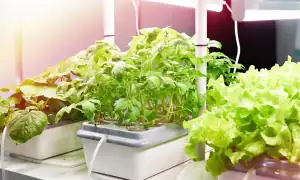
Indoor vertical garden hydroponics is a method of growing plants without soil, using nutrient-rich water solutions. This approach allows plants to thrive vertically, making efficient use of limited space. By leveraging hydroponics, you can grow a variety of plants indoors, from herbs and vegetables to decorative houseplants, all within a compact system.
The Mechanics of Hydroponics
The core idea behind hydroponics is to provide plants with the essential nutrients directly via water. This eliminates the need for soil, which traditionally serves as a medium for nutrient delivery. Instead, plants are supported using inert mediums like perlite or rock wool, and nutrient solutions are cycled through their roots.
Types of Vertical Hydroponic Systems
- Indoor Hydroponic Tower: These systems stack plant containers vertically, allowing you to grow multiple plants in a small footprint.
- Indoor Hydroponic Wall Garden: This approach uses vertical panels attached to walls, creating a living wall of greenery.
- Compact Vertical Hydroponics: Ideal for apartments or small homes, these systems are designed to fit into tight spaces while maximizing plant yield.
Benefits of Indoor Vertical Garden Hydroponics
 Benefits of Indoor Vertical Garden Hydroponics
Maximizes Space
One of the most significant advantages of vertical hydroponics is its ability to maximize limited space. By growing plants vertically, you can cultivate a large number of plants in a fraction of the area needed for traditional gardening methods. This is particularly beneficial for urban dwellers and those with limited outdoor space.
Improves Air Quality
Indoor plants are known for their ability to purify air by removing toxins and releasing oxygen. An indoor hydroponic garden can significantly improve air quality, making your home healthier and more pleasant. Vertical farming systems increase the plant density, thereby enhancing this air-purifying effect.
Year-Round Gardening
Vertical hydroponic systems are not constrained by seasons. With proper lighting and temperature control, you can grow your favorite plants all year round. This means fresh herbs, vegetables, and flowers are always within reach, regardless of the weather outside.
Water Efficiency
Hydroponic systems use up to 90% less water than traditional soil-based gardening. The water used in hydroponics is recirculated, ensuring minimal waste. This makes indoor hydroponics an environmentally friendly option, especially in areas where water conservation is crucial.
Faster Plant Growth
Plants grown hydroponically typically grow faster than those in soil, as they receive direct access to nutrients. This accelerated growth means quicker harvests and more frequent yields, allowing you to enjoy fresh produce sooner.
Pest and Disease Control
Soilless gardening significantly reduces the risk of soil-borne pests and diseases. Indoor vertical hydroponics systems are easier to monitor and maintain, which helps in preventing infestations and promoting plant health.
Setting Up Your Indoor Vertical Hydroponic Garden
Choosing the Right System
When setting up an indoor hydroponic garden, consider your available space, budget, and the types of plants you wish to grow. Whether you opt for an indoor grow tower or a vertical indoor planter, ensure that the system suits your specific needs.
Essential Components
- Grow Lights: Since indoor gardens lack natural sunlight, you’ll need artificial grow lights to provide the necessary light spectrum for plant growth.
- Nutrient Solution: Invest in high-quality nutrient solutions tailored to the specific plants you intend to grow.
- Support Structures: Ensure your plants have adequate support, especially in a vertical setup, to prevent toppling.

Maintenance Tips
- Regular Monitoring: Check pH levels and nutrient concentrations regularly to ensure optimal plant health.
- Pruning: Regular pruning helps manage plant growth and ensures that your vertical system remains tidy and efficient.
- Cleaning: Keep the system clean to prevent algae growth and ensure efficient nutrient delivery.
The Future of Indoor Vertical Farming
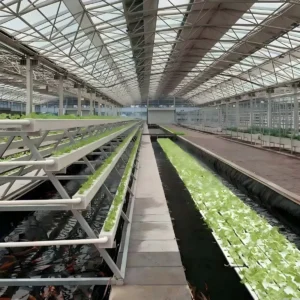
As urbanization continues and environmental concerns grow, indoor vertical farming is poised to play a crucial role in sustainable agriculture. By harnessing technology and innovative design, these systems can provide fresh, local produce in urban settings, reducing the carbon footprint associated with traditional farming.
Opportunities for Innovation
The field of hydroponics is ripe for innovation, with advancements in automation, smart sensors, and sustainable materials. Future developments could make indoor vertical gardening more accessible and efficient, further integrating these systems into urban lifestyles.
Conclusion
Indoor vertical garden hydroponics offers a myriad of benefits, from space optimization and improved air quality to water conservation and year-round gardening. Whether you are an urbanite looking to bring greenery into your home or an enthusiast eager to explore sustainable farming practices, vertical hydroponics presents a promising path forward. Embrace this modern approach to gardening and transform your indoor spaces into thriving green havens.
