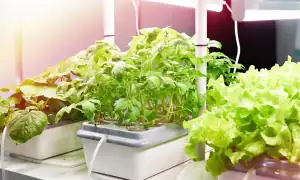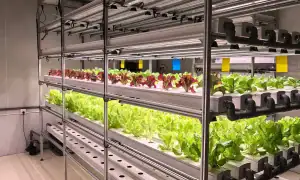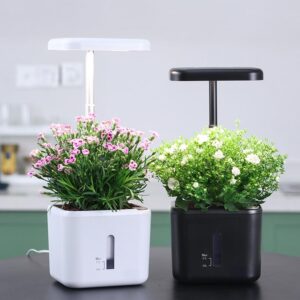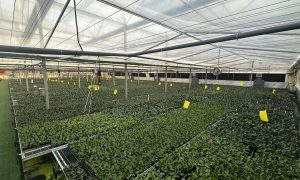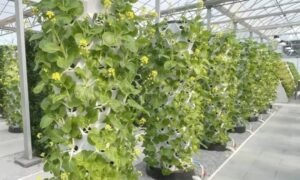



Imagine reaping a bountiful harvest without the constraints of soil or seasonal weather. As we continue to push the boundaries of traditional agriculture, the fascinating world of hydroponics offers us a glimpse into the future of farming—where innovation meets sustainability. Hydroponics is transforming the way we grow our food, and with its diverse techniques, it holds the promise of higher efficiency, reduced water usage, and the ability to cultivate crops in the most challenging environments, from urban rooftops to barren deserts.
In this journey, we’ll explore five exotic types of hydroponics that are revolutionizing agriculture. Whether you’re a seasoned grower looking to optimize your yields or a curious beginner intrigued by the idea of growing plants without soil, these techniques open up a world of possibilities. From vertical towers that maximize space to nutrient-film systems that mimic nature’s own efficiency, each method has a unique approach to nurturing plants. Get ready to delve into a realm where science and nature harmoniously coexist, paving the way for a greener and more sustainable future.

Nutrient Film Technique (NFT)
The Nutrient Film Technique (NFT) ranks among the most popular types of hydroponics, prized for its simplicity and efficiency. In this system, a thin film of nutrient-rich water continuously flows over the exposed roots of plants positioned in sloped channels. The constant circulation ensures that roots receive a steady supply of oxygen, water, and essential minerals, while excess solution returns to a central reservoir. This closed-loop design conserves water and nutrients, making NFT an eco-friendly choice for growers keen on reducing waste and operational costs.
NFT setups can be customized for both small-scale home gardens and large commercial operations. Lightweight PVC or food-grade plastic channels are often used, making assembly straightforward and affordable. Growers can space channels vertically to create a tiered system, maximizing yield per square foot. However, NFT demands diligent monitoring: pump failures or power outages can quickly deprive roots of oxygen, leading to plant stress. Regular nutrient solution checks and pump maintenance are vital to prevent clogging and ensure uniform flow rates across all channels.
Deep Water Culture (DWC)
Deep Water Culture (DWC) is another leading type of hydroponics known for its robustness and high growth rates. In DWC systems, plant roots dangle directly into a nutrient solution held in an opaque container. An air pump supplies oxygen to the water via an air stone, ensuring roots are immersed in a richly oxygenated environment. This method reduces root stress and accelerates nutrient uptake, often resulting in faster and larger yields compared to soil cultivation.
Setting up a DWC system is relatively straightforward, making it ideal for beginners and hobbyists. Essential components include a sturdy reservoir, net pots, inert growing media (such as clay pebbles), and a reliable air pump. While DWC requires minimal plumbing, careful attention must be paid to water temperature and pH levels. Warmer water holds less oxygen, so growers often use chillers or place reservoirs in cooler areas. Consistent monitoring prevents root rot and ensures nutrient balance, creating a thriving environment for leafy greens, herbs, and even fruiting plants like tomatoes and peppers.
Ebb and Flow: The Recirculating System
Ebb and Flow, also known as Flood and Drain, is a versatile recirculating hydroponic system. Plants sit in trays filled with an inert medium—such as perlite, gravel, or coco coir—while a timer-controlled pump periodically floods the tray with nutrient solution. After a set duration, the solution drains back into the reservoir, replenishing oxygen around the roots. This cycle mimics natural tidal patterns, offering plants intermittent access to nutrients and air.
The ebb and flow method provides excellent flexibility: growers can adjust flood intervals and durations to suit different crops’ water uptake rates. It accommodates a wide variety of plants—from strawberries and lettuce to larger vines—making it a popular choice for commercial greenhouses. However, the system relies heavily on timers and pumps; any malfunction can disrupt the flood cycle, leading to nutrient deficiencies or root drying. Regular equipment checks and backup power solutions help maintain a stable, growing environment.
Drip System: Precision Watering for Plants
The Drip System stands out as a precision irrigation technique within the spectrum of hydroponics. In this configuration, individual emitters deliver nutrient solution drop by drop directly to the base of each plant. Grow media—such as rock wool, perlite, or coco coir—holds moisture around the roots, while excess solution collects and returns to the reservoir. This targeted approach reduces water usage and minimizes nutrient waste, enhancing overall system efficiency.
Drip systems can be either recovery (recirculating) or non-recovery. Recovery systems capture and reuse runoff, conserving resources, whereas non-recovery systems drain excess solution to waste, simplifying maintenance but increasing consumption. Adjustable drip rates allow growers to fine-tune irrigation for specific plant species and growth stages. Despite its benefits, drip irrigation demands regular inspection of tubing and emitters; blockages from mineral buildup can impair flow. Routine cleaning and filtration ensure consistent performance and uniform nutrient delivery.
Comparison of Exotic Hydroponic Techniques
When evaluating these exotic types of hydroponics, several factors come into play: resource efficiency, scalability, ease of maintenance, and suitability for different crops. NFT and DWC excel in water conservation but require vigilant monitoring to prevent root hypoxia. Ebb and Flow offers flexibility and robust growth for a variety of plants, though it demands reliable pumps and timers. The Drip System provides unmatched precision in nutrient delivery but can be prone to clogging without proper filtration.
Cost considerations also influence system choice. NFT and DWC setups can be more affordable initially, relying on basic plumbing and aeration equipment. Ebb and Flow and Drip Systems often incur higher upfront expenses due to trays, tubing, and timer installations. Commercial growers may favor scalability and automation, while hobbyists lean toward simpler, low-maintenance designs. Ultimately, the ideal type of hydroponics aligns with a grower’s budget, spatial constraints, and crop selection.
Future Prospects and Sustainability in Hydroponics
The future of hydroponics hinges on sustainability and technological innovation. Advanced monitoring systems now integrate IoT sensors to track pH, nutrient levels, and environmental conditions in real time. AI-driven analytics can predict plant health trends, optimizing growth cycles and reducing resource waste. Vertical farming towers and modular container units are gaining traction in urban settings, converting rooftops and vacant lots into high-yield production sites.
Research into alternative nutrient sources—such as recycled agricultural runoff and algae-based fertilizers—promises to lower the environmental footprint of hydroponic farms. Water recovery technologies and renewable energy integration further enhance system sustainability. As global populations rise and arable land diminishes, these exotic types of hydroponics offer scalable solutions for food security. Continued innovation will be key to meeting future demands while preserving natural resources for generations to come.
Conclusion
The five exotic types of hydroponics explored here demonstrate the remarkable versatility and efficiency of soil-less farming. From the simplicity of DWC to the precision of Drip Systems, each method offers unique advantages tailored to different crops and scales.
By understanding the strengths and challenges of NFT, Ebb and Flow, and other techniques, growers can select the best system for their needs, paving the way for sustainable, high-yield agriculture in a changing world.